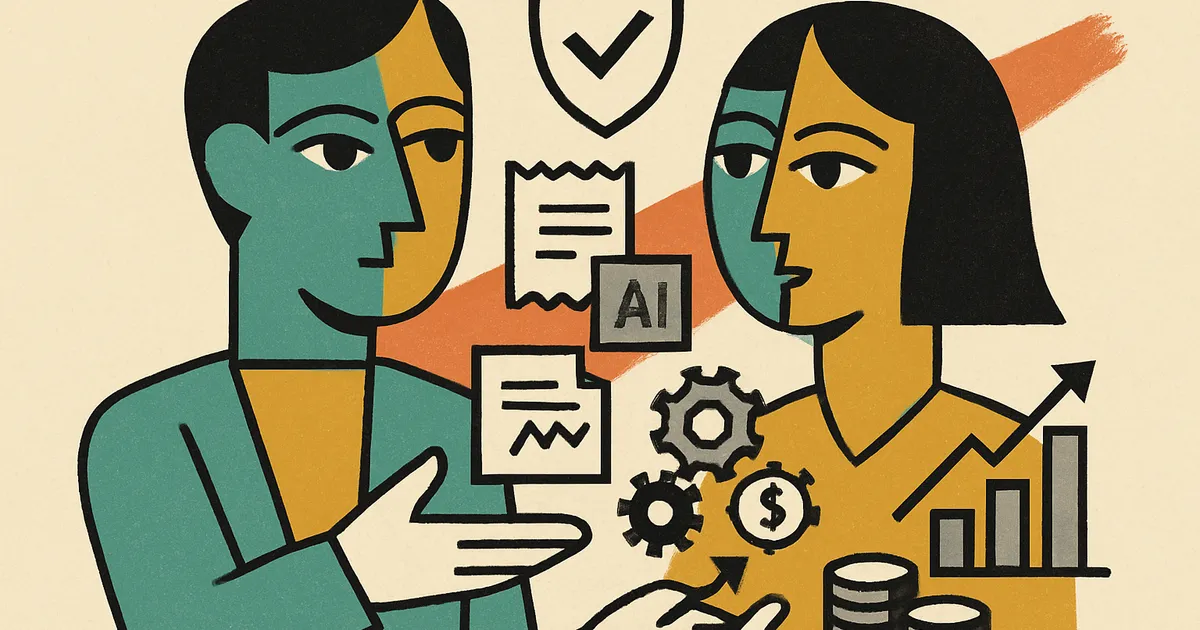
The warranty wakes up
Many post-purchase promises are priced as if customers will forget, lose the receipt, or give up. Cheap AI memory changes that: the claim rate becomes a product and operations problem, not just a support problem.

All of my long-form thoughts on AI, programming, product development, and more, collected in chronological order.
Many post-purchase promises are priced as if customers will forget, lose the receipt, or give up. Cheap AI memory changes that: the claim rate becomes a product and operations problem, not just a support problem.
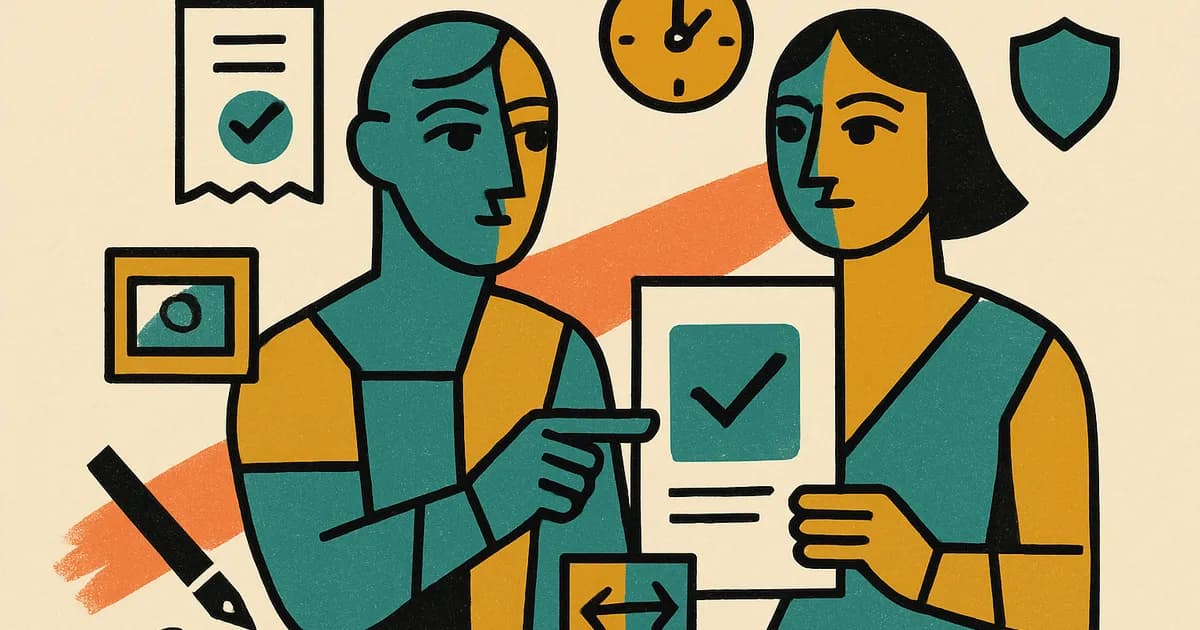
As AI vision and reasoning get cheap, the valuable automation may not be doing the work but proving the work happened. The next quiet product surface is the proof layer: photos, timestamps, signatures, comparisons, and exception trails that decide invoices, refunds, claims, and blame.
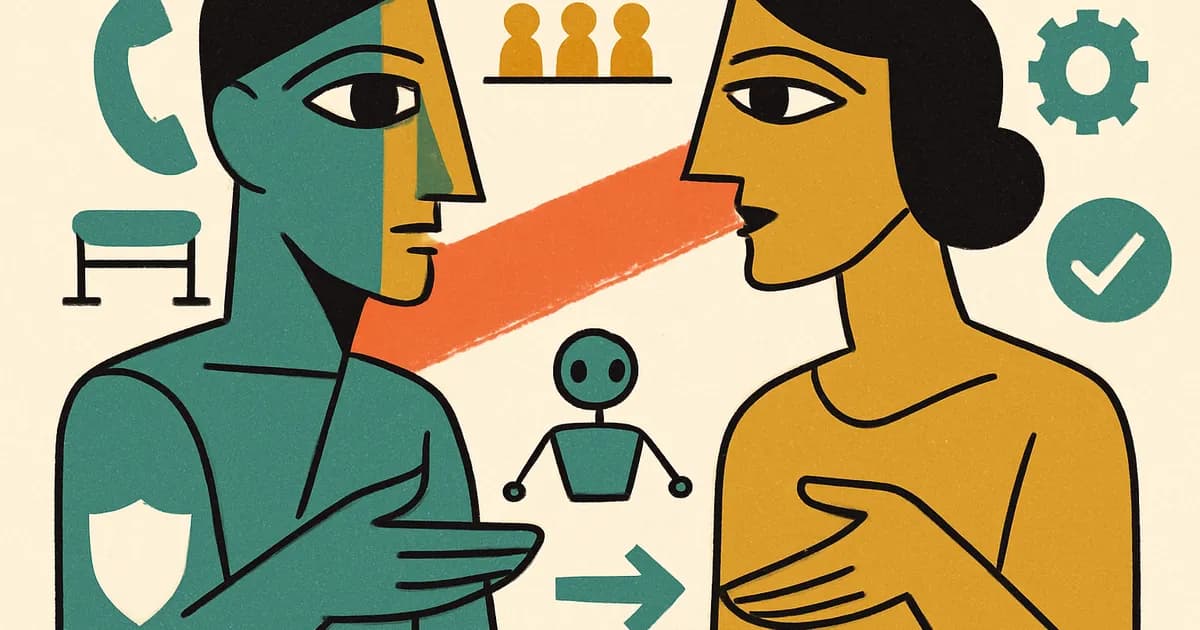
Many businesses quietly rely on customer effort as a filter: the people who wait, chase, call back, or argue are the ones who get resolution. AI agents change the economics by making persistence cheap, forcing companies to design for clear delegated resolution instead of human exhaustion.
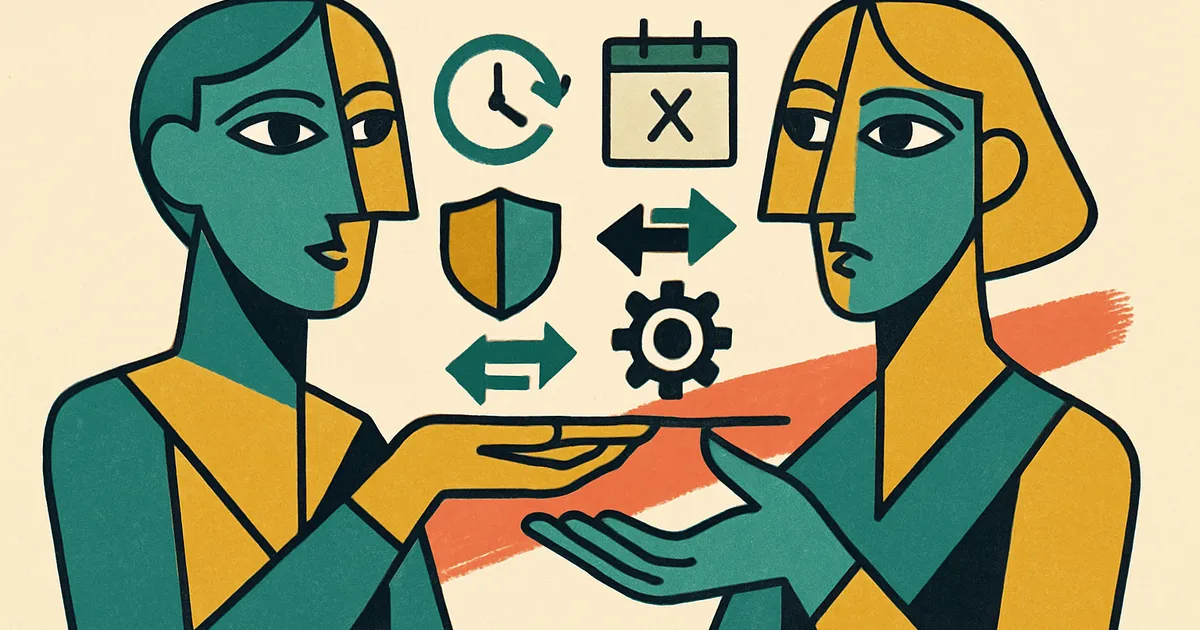
When AI agents choose where to buy, book, return, cancel, or substitute, the policy page stops being legal furniture. Returns, delivery cutoffs, cancellation windows, warranties, and exception rules become part of the product itself.
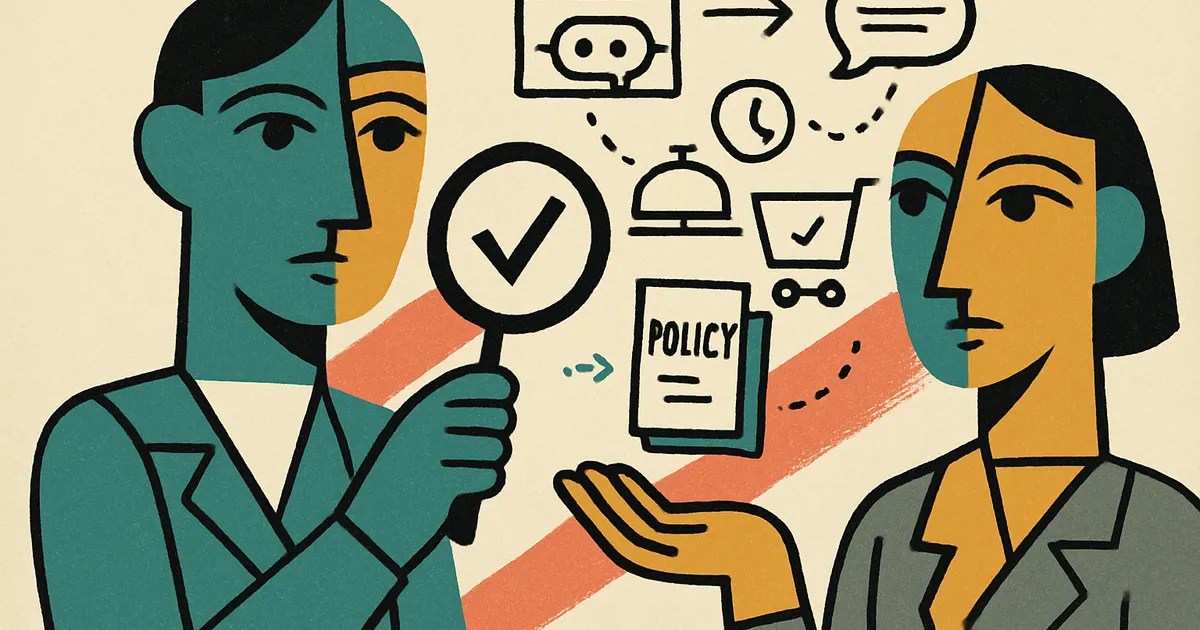
As voice and browser agents get cheap, businesses will stop testing only whether systems work and start testing whether promises survive contact with real workflows. The next useful AI layer may be a quiet patrol that catches the gap between the website, the chatbot, the receptionist, the checkout, and the policy binder.
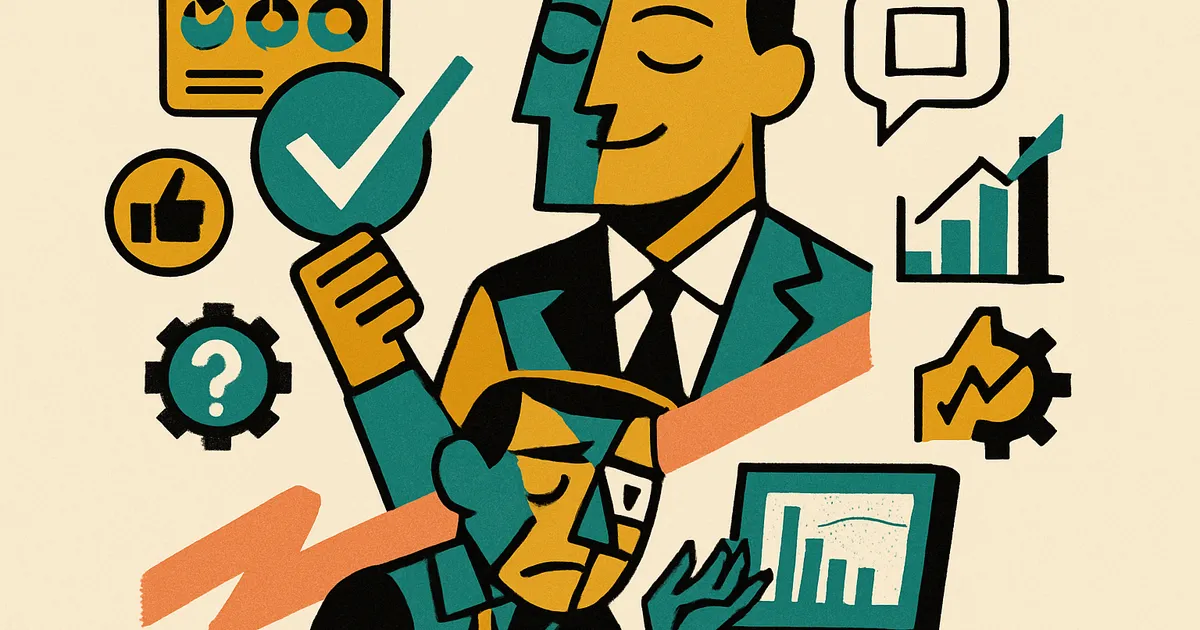
The gap between the boardroom view of AI deployment and the daily reality on the floor is creating a new category of enterprise failure: tools that look adopted but deliver nothing.
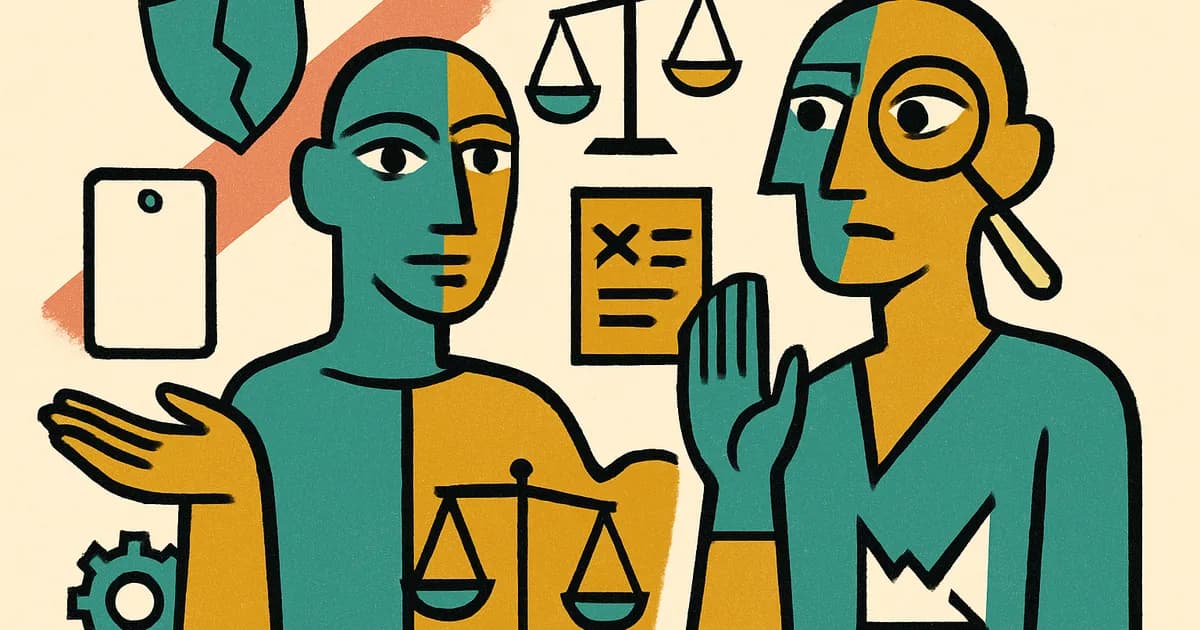
When products announce a feature is AI-powered, they don't build trust — they trigger an evaluation reflex that reduces it. The most adopted AI features in history are the ones nobody thinks of as AI.
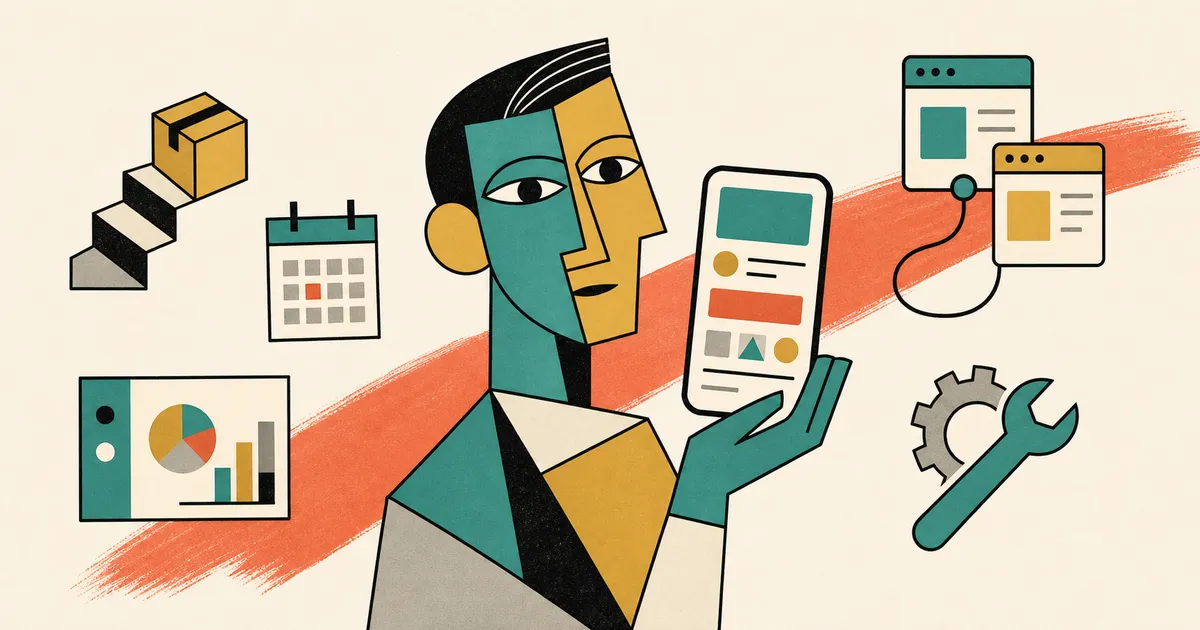
AI will not collapse software into one chat box. It will make software personal, letting people build small tools around edge cases too narrow for any product roadmap. The biggest software market may not be the next billion-user app. It may be the billion one-user apps.
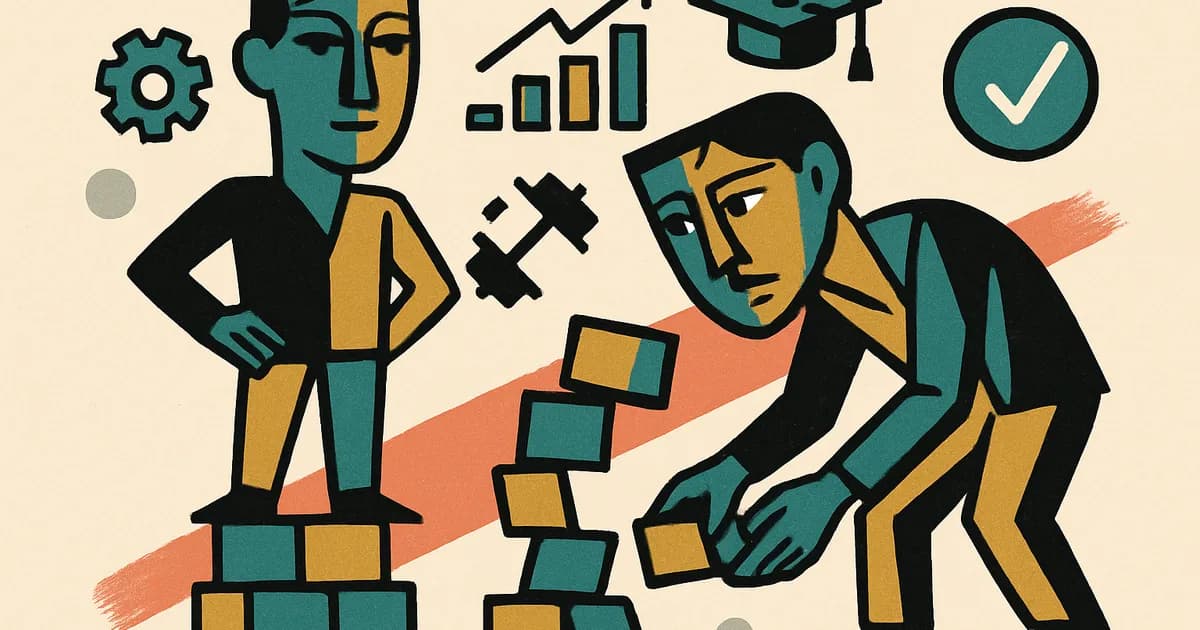
Easy tasks aren't just easy. They train new hires, pace veterans, and keep fundamental skills alive. When AI skims them off, the remaining human work becomes 100% hard cases — and most organisations aren't ready for a workforce that never gets an easy rep.
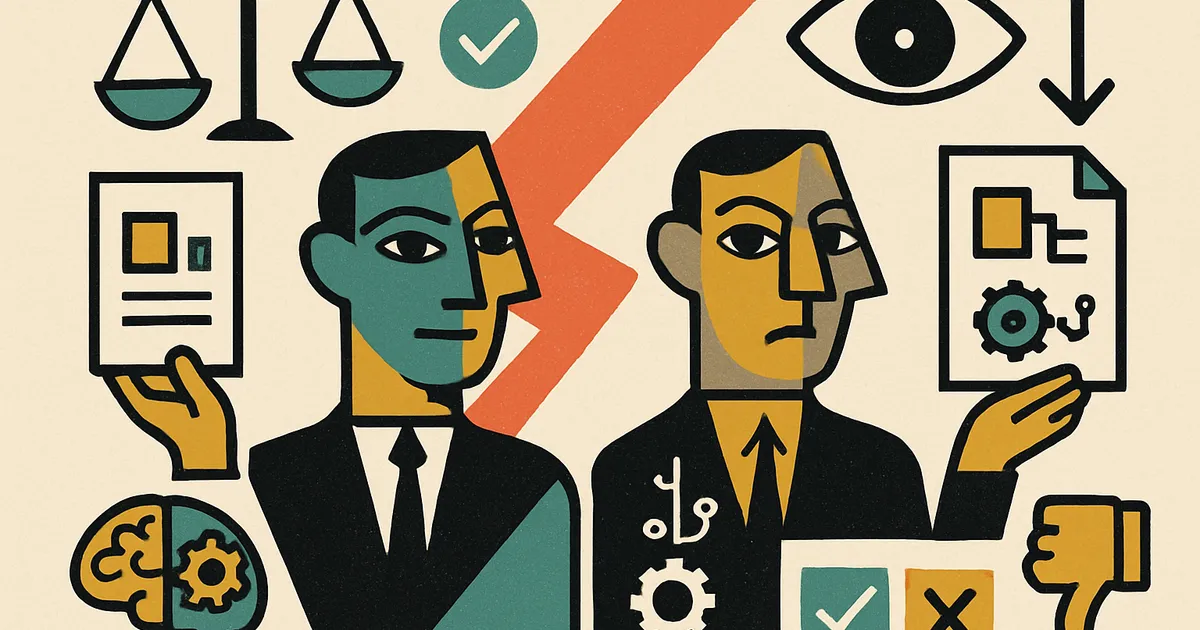
Multiple studies show that workers who use AI are judged as lazier, less skilled, and more replaceable — even when their output is identical. This ancient cognitive bias is silently crippling AI adoption by driving the most productive behaviour underground.