
The infrastructure tax comes due
Hyperscalers committed $700 billion to AI data centres in 2026 while NVIDIA posted record revenue and memory chip shortages drive up consumer device prices globally.
TechCrunch
Hyperscalers commit nearly $700 billion to AI data center projects in 2026
Hyperscalers committed $700 billion to AI data centres in 2026 while NVIDIA posted record revenue and memory chip shortages drive up consumer device prices globally.
techcrunch.com
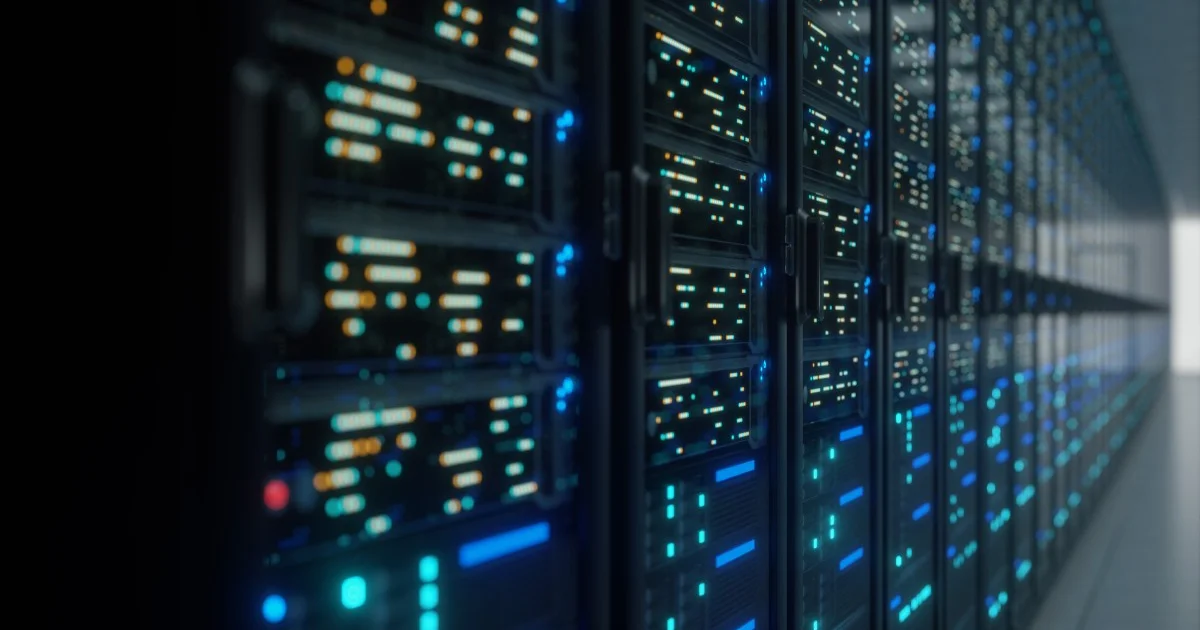
Every technology wave has a bill, and AI's just arrived at the loading dock.
TechCrunch reported that hyperscalers have now committed nearly $700 billion to AI data centre projects in 2026. That figure resists comparison, but try this: it exceeds Switzerland's GDP. Microsoft, Google, Meta, Amazon, Oracle, and OpenAI are each writing cheques that would have been unthinkable five years ago, all on the same bet that whatever AI becomes, it will need more compute than we've ever built.
The money flows through a single bottleneck. NVIDIA posted $68.1 billion in quarterly revenue, another record, driven entirely by AI chip demand. Jensen Huang's company has become the toll booth on the highway to artificial intelligence. Every model trained, every inference served, every agent deployed pays a cut.
But the real story is who ends up carrying the cost. CNN reported that AI-driven memory chip shortages are pushing global smartphone prices to record highs. The same DRAM and NAND that powers your phone also fills data centre racks, and the data centres are winning the bidding war. Samsung, SK Hynix, and Micron are prioritising their most profitable customers, and those customers want to build $700 billion of AI infrastructure, not consumer electronics.
The bill nobody planned for
When we discuss AI economics, we tend to focus on inference costs per token or training compute per model. The infrastructure tax is broader than that, and more regressive. A family buying a phone in Lagos or São Paulo pays more because a data centre in Iowa needs memory chips. That's not a market distortion anyone designed, but it's the one we've got.
The question for builders is straightforward: how long does this capital cycle sustain itself? The hyperscalers are betting that AI revenue will justify the spending. If they're right, today's shortages are growing pains. If they're wrong, these are the most expensive stranded assets in technology history.
I think the spending is probably rational for the companies writing the cheques. They can see their AI revenue curves, and those curves point up. What nobody has accounted for is the externality: the rest of the global electronics supply chain subsidising AI's appetite for chips. That bill doesn't show up on any hyperscaler's balance sheet, but it's real, and it's growing.
The infrastructure tax doesn't stay invisible forever. At some point, the costs seep into every product that uses silicon, and consumers start asking why everything costs more. The hyperscalers building AI's foundation won't be the ones answering that question.
Read the original on TechCrunch
techcrunch.com