
Creative AI has left the lab and entered the trust problem
Netflix paid $587M for Ben Affleck’s AI filmmaking startup while Christopher Nolan called AI an obvious ‘Trojan horse’, and products like Bono AI and Framer AI Agents keep pushing creation into automated workflows. Creative AI now has buyers, sceptics and product surfaces arriving at once, which forces builders to sell trust as much as output.
TechCrunch
Netflix paid $587M for Ben Affleck’s AI filmmaking startup
Netflix paid $587M for Ben Affleck’s AI filmmaking startup.
techcrunch.com
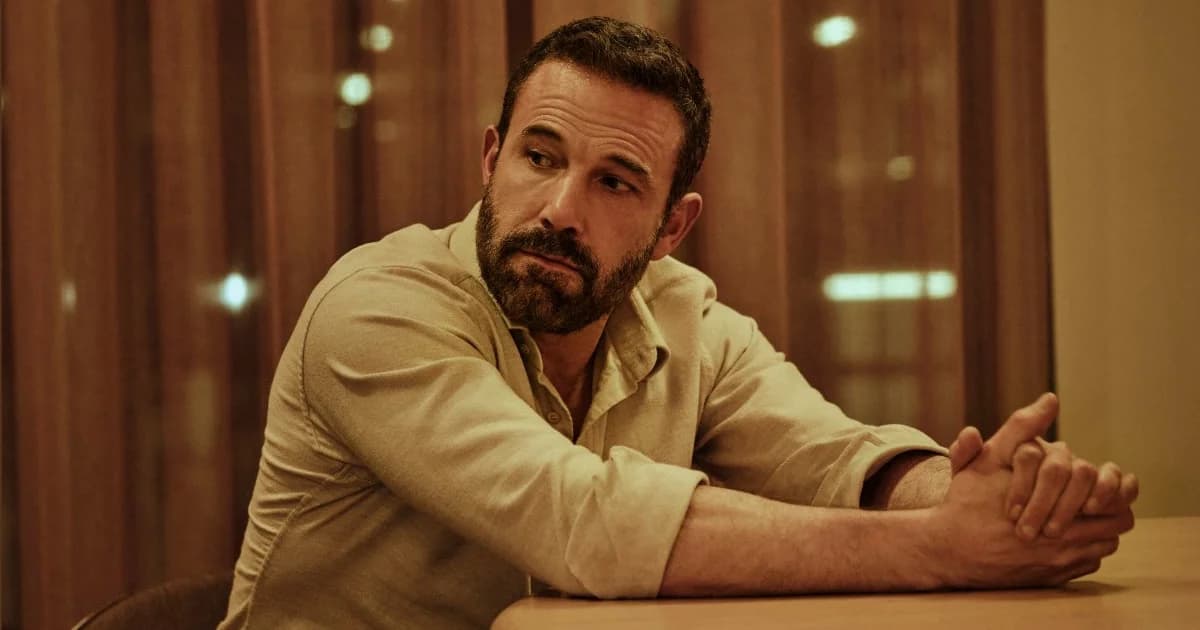
$587 million is a useful way to separate creative AI from theatre. When Netflix pays that much for Ben Affleck’s AI filmmaking startup, as TechCrunch reported, the story stops being a speculative argument about whether machines can make art. It becomes a buying decision.
The easy read is that Hollywood has decided AI is inevitable. I think that misses the sharper shift. The market is no longer asking only whether AI can generate creative work. It is asking who gets trusted to use it, where in the process it belongs, and how much human authorship must remain visible for audiences, workers and buyers to accept the result.
That distinction matters because creative AI has two customers. One is the person trying to make more output with less friction. The other is everyone downstream who has to believe the output is legitimate enough to watch, publish, fund, sell or put their name on.
The Trojan horse is a product question
Christopher Nolan calling AI an obvious “Trojan horse”, in another TechCrunch piece, is a product warning as much as a culture-war line. People rarely reject a tool only because it is new. They reject it when it quietly changes the bargain: who did the work, whose permission mattered, and who takes responsibility when the result ships.
That is the problem creative AI companies now have to solve. Selling output is the easy part. More clips, more pages, more landing pages and more campaign drafts are useful, but buyers increasingly need an answer to a different question: can I defend how this was made?
That defence may mean permissions, provenance, human approval, edit history, brand controls, labour agreements or a clear boundary around what the model is allowed to touch. The boring governance layer is becoming part of the creative product itself.
The same bargain appears in smaller tools too. A product like Bono AI sits in the messy space between personal voice and automated publishing. If AI helps someone turn an idea into public-facing content, the reader may not care that software helped. They will care whether the result still sounds like the person whose name is on it, whether the claims were checked, and whether the author is willing to stand behind the piece.
Framer AI Agents points in the same direction from the website side. The interesting word is “agents”. Creative software is moving from blank canvases and manual controls towards delegated production. The user is not only picking colours or writing copy. They are supervising a system that can make choices on their behalf.
The cross-domain parallel is food labelling. Once food production became industrialised, value shifted from mere abundance to proof: ingredients, origin, process and certification. Creative AI is entering a similar phase. More output is cheap. Credible output is expensive.
For builders, this means “generate” is becoming table stakes. The defensible layer is trust by design: visible human control, clear provenance, reversible edits, permission boundaries and honest labelling where it matters. The next creative AI winners will not be the tools that make the most stuff. They will be the ones people can publish, ship and defend.
Read the original on TechCrunch
techcrunch.com