
The chatbot wants the whole distribution stack
Microsoft is openly competing with OpenAI and Anthropic while confirming a Copilot super app; OpenAI is talking about a family of devices; Meta is signing AI content partnerships. The shared direction is clear: the winning AI companies do not just want better models — they want the app, the device, the content supply and the customer relationship.
TechCrunch
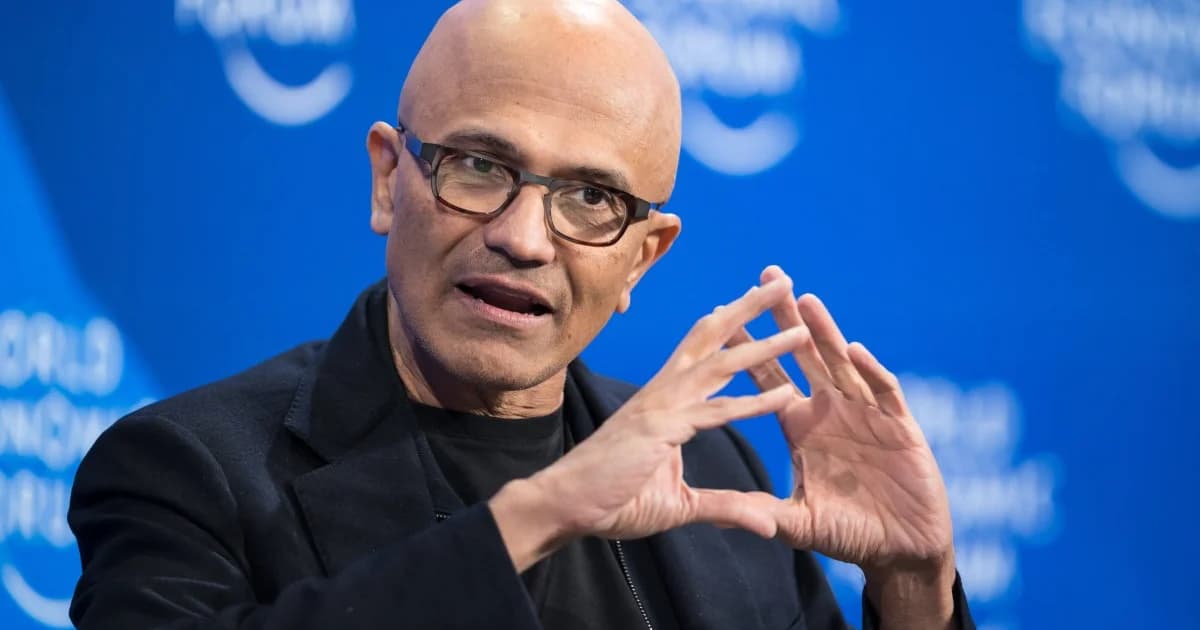
Microsoft is openly competing with OpenAI, Anthropic more than ever
Microsoft is openly competing with OpenAI, Anthropic more than ever.
techcrunch.com
OpenAI is talking about a “family of devices” for AI chatbots. That phrase matters because it turns a chatbot from a destination into a doorway.
The obvious reading of The Verge’s interview with OpenAI president Greg Brockman is that OpenAI wants hardware. I think the bigger move is distribution stack capture: own the model, the assistant, the app surface, the device relationship, the content inputs and the trust layer around the whole thing. Everyone wants to be the place where the user starts.
The stack is the moat
Microsoft is the clearest example because it is playing both sides. TechCrunch reported that Microsoft is competing more openly with OpenAI and Anthropic, even while its AI story has leaned heavily on frontier-lab partnerships. That is not a side plot. It is the predictable result of every major AI company trying to move closer to the customer.
If you run the assistant, the model underneath can become interchangeable. If you run the model but someone else owns the assistant, you risk becoming a supplier inside another company’s product.
That is why Microsoft’s confirmed Copilot “super app” matters. A super app is not a better chat box. It is a claim on the workflow. If Copilot becomes the place where users ask, draft, code, delegate or approve work, Microsoft can turn model choice into a feature of its platform rather than the centre of the user relationship.
OpenAI cannot ignore that. A “family of devices” is a way to reduce dependence on phones, browsers, operating systems and enterprise suites controlled by other companies. The smartphone era taught the lesson: if someone else owns the device, someone else can rank you, restrict you, bundle around you or replace your default slot.
Meta’s AI content partnership with Newsmax points to the same logic from another layer of the stack. AI answers need inputs, and content deals turn those inputs into negotiated supply. Search had crawling. Social had user posts. AI assistants increasingly need rights, sources and enough coverage to answer without losing the user to another surface.
The cross-domain parallel is retail. Supermarkets built private-label brands because owning the shelf changed the negotiation with suppliers. AI platforms are trying a similar move with intelligence. Own the shelf, then decide which model, content source, agent or app gets placed at eye level.
For builders, this changes the practical question. “Which model should we use?” is no longer enough. The sharper questions are: who owns the workflow, who controls permissions, who has the billing relationship, and who can remove you from the starting point?
Thin wrappers around someone else’s assistant sit in the most contested part of the stack. Products with proprietary workflow, trusted data, domain-specific context or a hard-to-replace surface have more room to negotiate.
The next phase of AI will be less about who answers best in a benchmark and more about who controls the moment before the question is asked.
Read the original on TechCrunch
techcrunch.com