
OpenAI COO: Enterprises Haven't Really Adopted AI at Scale Yet
OpenAI COO Brad Lightcap admits that despite powerful AI systems, enterprises are highly complex organizations that haven't yet seen AI penetrate business processes at scale.
TechCrunch
OpenAI COO: Enterprises Haven't Really Adopted AI at Scale Yet
OpenAI COO Brad Lightcap admits that despite powerful AI systems, enterprises are highly complex organizations that haven't yet seen AI penetrate business processes at scale.
techcrunch.com
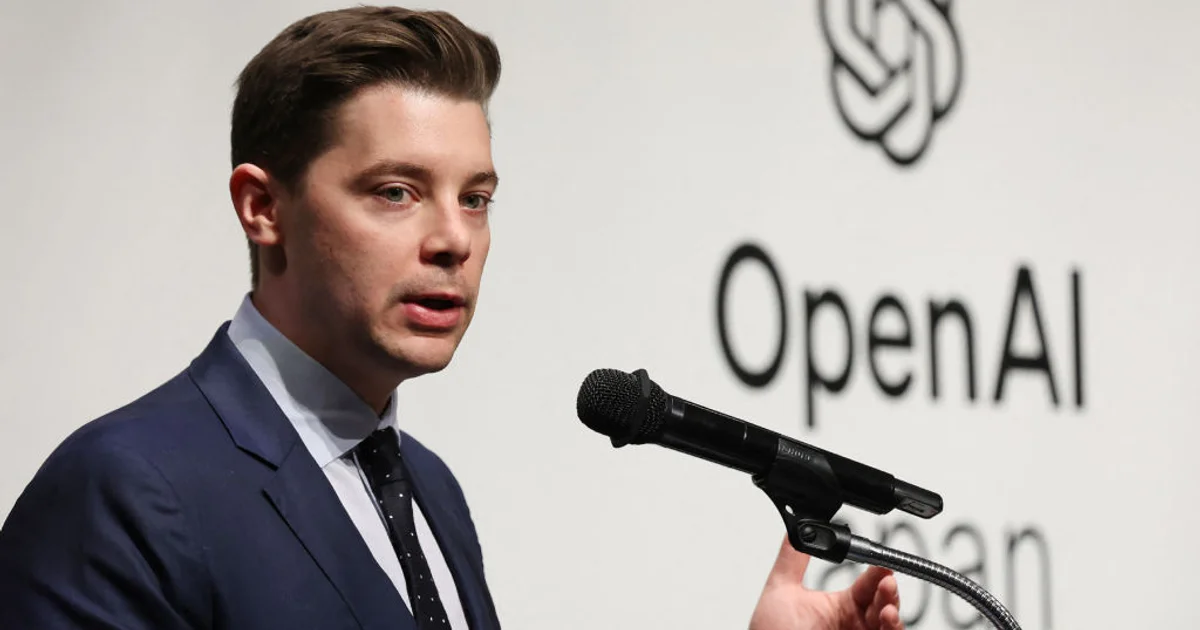
Finally, some honesty about enterprise AI adoption — and it's coming from OpenAI's own COO.
Brad Lightcap's admission to TechCrunch that enterprises "haven't yet seen AI penetrate business processes at scale" cuts through months of breathless coverage about AI transformation. Despite having access to GPT-4, Claude, and increasingly capable models, most large organisations are still figuring out how to move beyond pilot projects and proof-of-concepts.
This isn't a technology problem — it's an organisational complexity problem. The same companies that can't migrate off decade-old CRM systems aren't going to seamlessly integrate AI agents into their workflows. Enterprise software moves at geological pace because changing business processes requires coordination across departments, compliance reviews, security audits, and the kind of change management that makes deploying Kubernetes look straightforward.
The gap Lightcap identifies between individual and enterprise AI use makes perfect sense. I can spin up a GPT-4 session and automate my workflow in minutes. But getting that same automation approved for a team of 200 people across three time zones? That's months of meetings, stakeholder alignment, and integration work.
The platform play
OpenAI's response is predictable: launch another platform. Their new Frontier platform for enterprise agents sounds like every other enterprise AI announcement — promises of seamless integration and workflow automation. But platforms don't solve organisational inertia. They just add another layer of complexity.
The real challenge isn't building better AI tools — it's designing systems that work within existing enterprise constraints. That means integrations that don't require ripping out legacy systems, governance models that satisfy compliance teams, and deployment paths that don't require retraining entire workforces.
For anyone building AI products for enterprise, this should recalibrate expectations. The bottleneck isn't model capability or even cost — it's adoption friction. The companies that crack this won't necessarily have the best models. They'll have the best understanding of how enterprises actually work: slowly, cautiously, and with about seventeen approval processes.
Will the AI revolution look less like transformation and more like gradual substitution? Because if OpenAI's own COO is being this frank about enterprise adoption, we might be in for a much longer, messier path to the AI-powered workplace everyone keeps promising.
Read the original on TechCrunch
techcrunch.com